
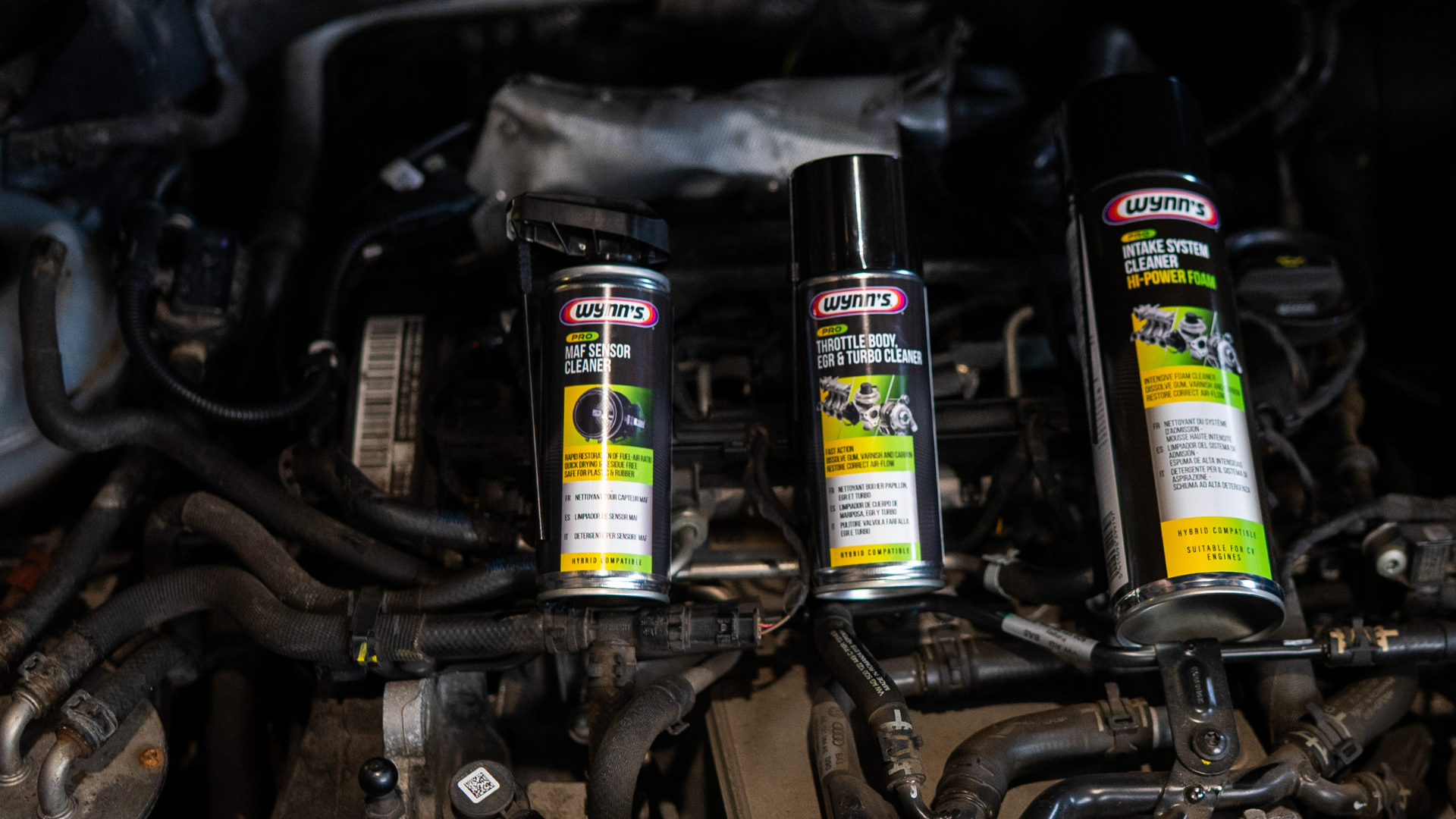
An engine needs three essential elements to operate efficiently: fuel, combustion, and above all.… air. Yet when it comes to vehicle maintenance, the air intake system is often overlooked, despite playing a vital role in engine performance, fuel economy, and overall drivability.
Over time, carbon deposits, oil residue, and other contaminants can build up throughout the intake system. Components such as the mass air flow (MAF) sensor, throttle body, EGR valve, turbocharger, and intake valves can gradually become affected. As deposits accumulate, airflow may be restricted, resulting in a less responsive, less efficient engine that may consume more fuel.
The symptoms often develop gradually: sluggish acceleration, rough idling, reduced power, or a general loss of smoothness during everyday driving. Many drivers naturally associate these signs with vehicle age, when in reality they can often be linked to a contaminated air intake system.
Because engine performance starts with proper airflow, maintaining these components has become an essential part of preserving vehicle efficiency and reliability. After all, the principle is simple: when air flows freely, the engine can breathe properly.
The key role of the air intake system
For an engine to operate efficiently, it must continuously receive the right amount of air at the right time. Air is essential for combustion and works alongside fuel to generate the energy required to move the vehicle.
However, air does not simply enter the engine. Before reaching the cylinders, it passes through a series of components that measure, regulate, and optimize its flow. Each one plays a specific role in the process.
The Mass Air Flow (MAF) sensor accurately measures the volume of air entering the engine. This information enables the engine control unit (ECU) to adjust fuel injection and maintain an optimal air-fuel ratio.
The throttle body regulates the amount of air entering the engine according to driver demand. Every time the accelerator is pressed, it adjusts its opening to deliver the required power.
The EGR (Exhaust Gas Recirculation) valve helps reduce emissions by redirecting a portion of exhaust gases back into the intake system. While beneficial for the environment, this process naturally encourages deposit formation over time.
The turbocharger increases the amount of air supplied to the engine, improving both efficiency and performance, while the intake manifold and intake valves distribute that air evenly to each cylinder.
When all these components operate correctly, the engine benefits from a smooth and controlled airflow. Combustion is optimized, performance is maintained, and driving remains enjoyable.
As the miles add up, deposits can gradually build up throughout the intake system. Oil residue, soot, and carbon accumulation may restrict airflow, affect sensor accuracy, and prevent certain components from operating at their best.
The effects are often progressive and may not be immediately noticeable: slower acceleration, reduced engine responsiveness, rough idling, increased fuel consumption, or a general decline in performance. All of these may indicate that the air intake system requires attention.
A simple solution to a common problem
Contamination rarely affects just one component of the air intake system. Deposits can accumulate on the MAF sensor, build up inside the throttle body, clog the EGR valve, or impact the operation of the turbocharger and intake valves.
This is precisely what makes air intake maintenance challenging. Each component is exposed to different types of contaminants and requires a targeted approach.
To address this reality, a new range of PRO cleaners has been developed to tackle the most critical areas of the air intake system. Each solution targets a specific component while pursuing the same objective: restoring smooth airflow and helping maintain engine performance.
Cleaning the heart of the intake system
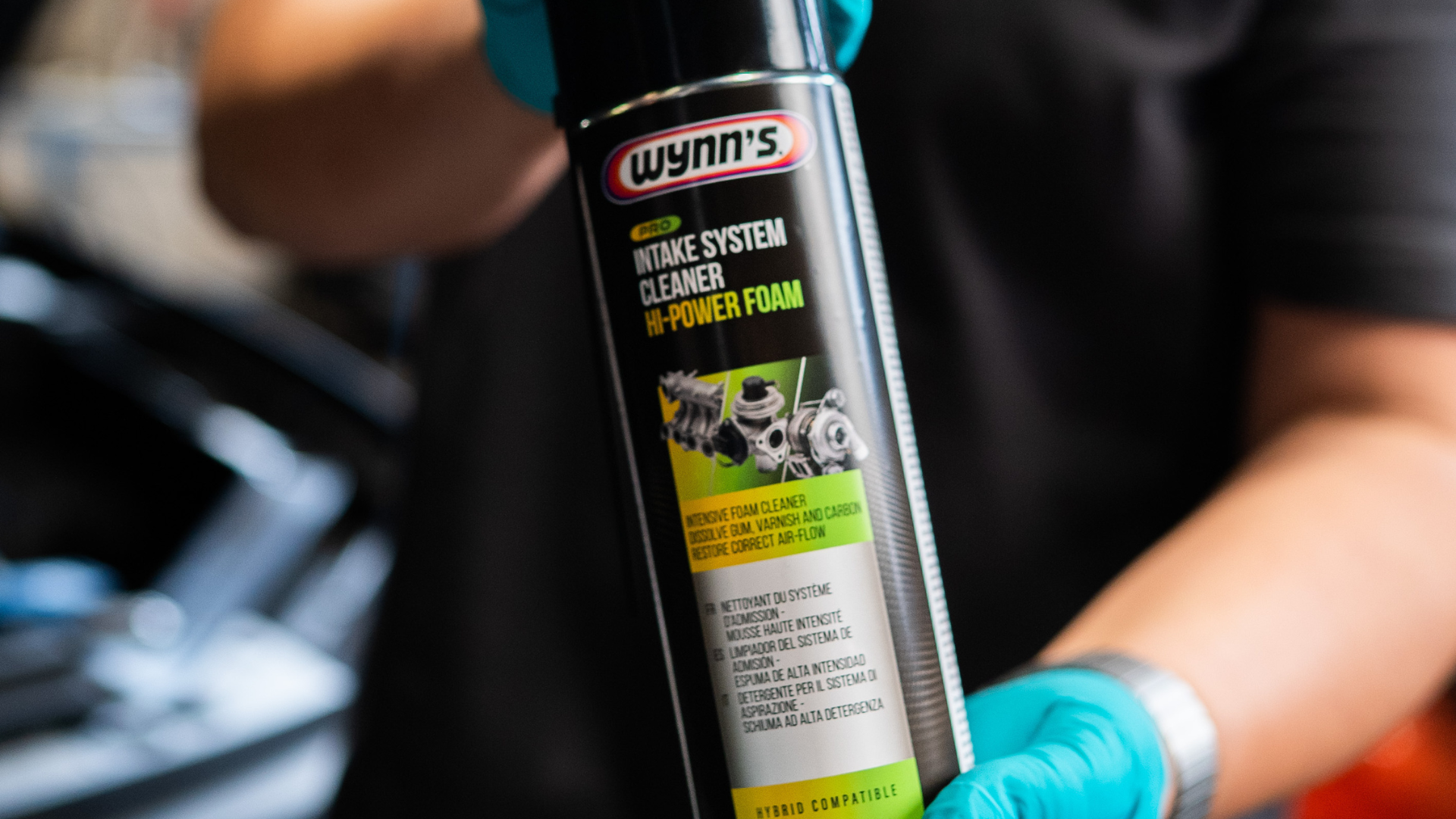
The intake system is particularly susceptible to the build-up of carbon, oil residues, and other contaminants. As deposits accumulate across key components, they can restrict airflow and impact overall engine efficiency. This is where the PRO Intake System Cleaner comes in.
Its high-performance formula is designed to remove gum, varnish, and carbon deposits throughout the intake system, helping to restore smooth and efficient operation. The foaming formula works deep within the system, reaching areas that are particularly prone to deposit build-up, including:
- Intake manifold
- Intake valves
- EGR system
- Turbocharger
By removing built-up deposits, it helps restore engine efficiency and maintain the proper operation of key intake components.
Restoring MAF sensor accuracy
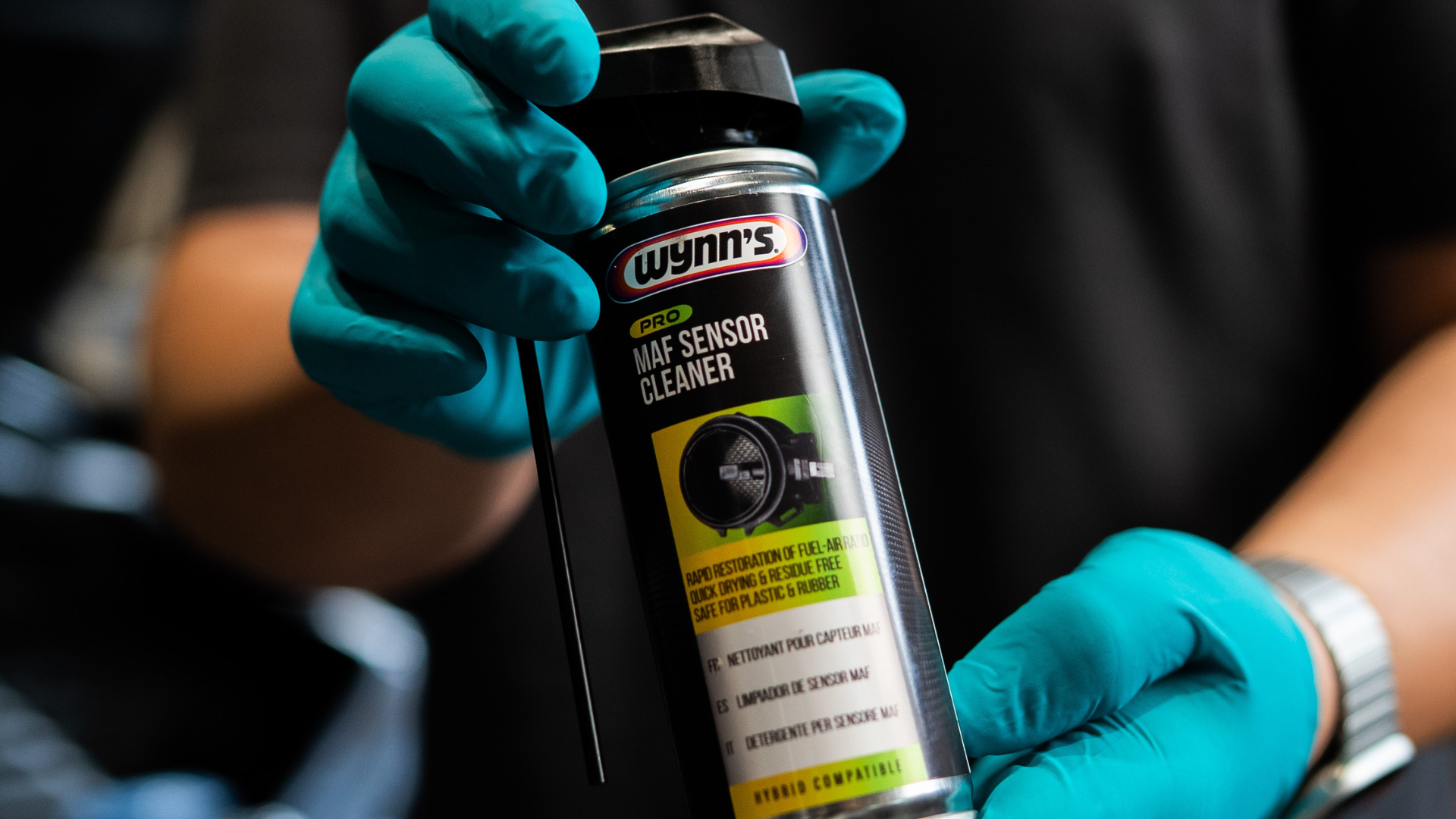
The MAF sensor plays a critical role in engine management. When contaminated, the information it sends to the ECU can become less accurate, potentially affecting the air-fuel ratio and overall engine efficiency.
The PRO MAF Sensor Cleaner has been specifically developed to clean this sensitive component safely and effectively. Its fast-drying, residue-free formula quickly removes contaminants while remaining safe for plastics, rubber components, and delicate sensor elements.
Targeting the most deposit-prone components
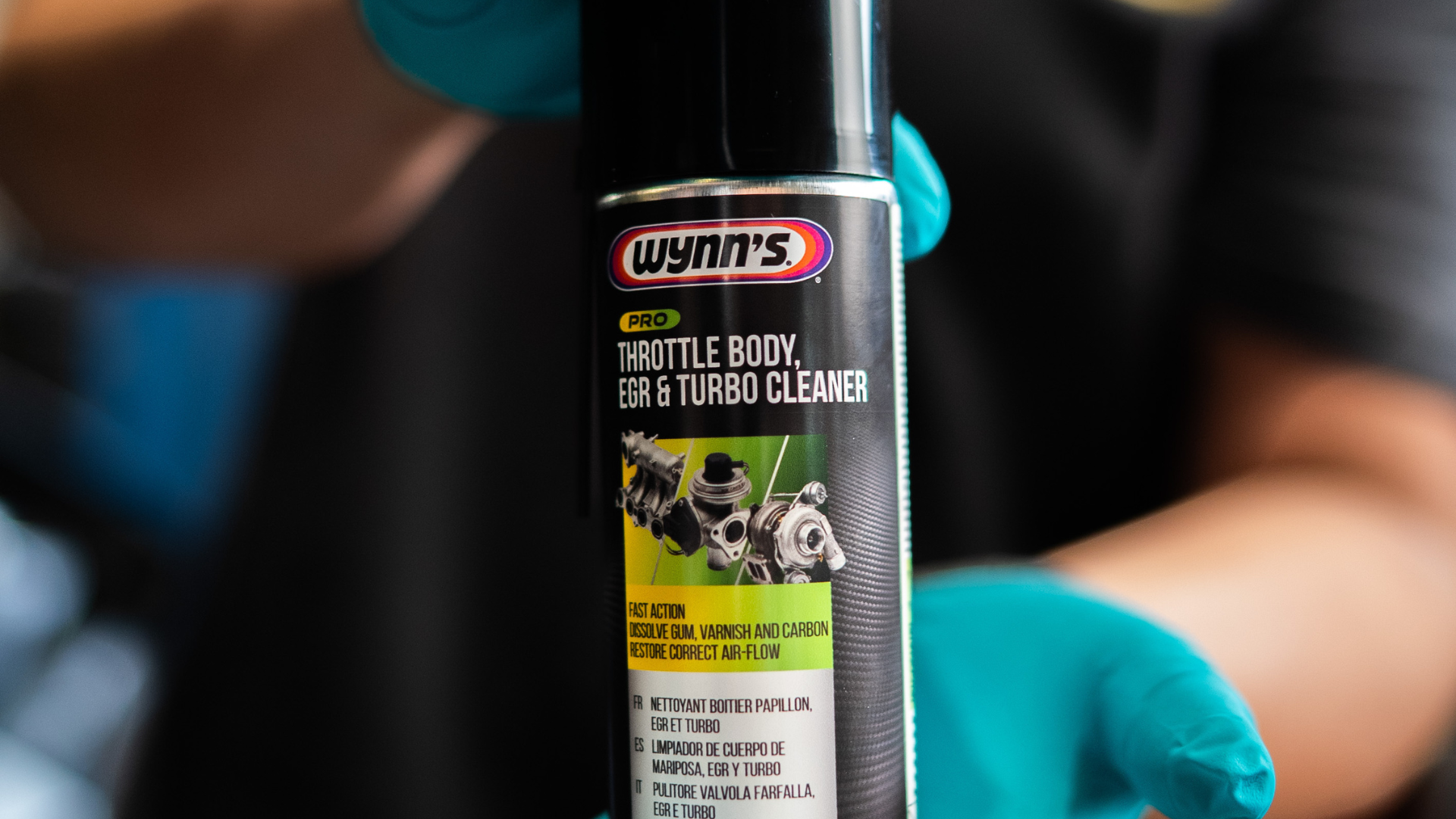
The throttle body, EGR valve, and turbocharger are among the components most vulnerable to deposit build-up over time.
The PRO Throttle Body, EGR & Turbo Cleaner works quickly to dissolve and remove deposits that can interfere with their operation. Its targeted action helps restore the normal functioning of the intake system, improve engine responsiveness, and support consistent performance by eliminating the contaminants that can lead to reduced efficiency and unnecessary maintenance.
Simple maintenance, real results
Intake system contamination is a common issue that can affect all vehicles, whether petrol or diesel. Fortunately, restoring system efficiency does not necessarily require extensive disassembly or costly component replacement.
With dedicated solutions for each critical area of the intake system, deposits can be addressed quickly and effectively where they are most likely to accumulate. The result is improved airflow, optimized engine operation, and performance that stays closer to its intended level.
Leave A Comment