

When summer rolls around, we're all about sunshine, road trips and iced drinks. But there's one thing that doesn't love the heat—your car's engine. High temperatures can turn minor car issues into major problems, fast. And nobody wants to be stranded on the side of the road with steam pouring from under the hood.
So let's talk about how to help your engine stay cool, calm, and collected—even in the summer swelter.
-
Coolant Is Key
Your car's coolant system is the frontline defence against overheating. It circulates a fluid—usually a 50/50 mix of water and antifreeze—that absorbs engine heat and releases it through the radiator.
What you can do:
- Check coolant levels regularly. Pop the hood and find the coolant reservoir (usually a translucent plastic tank with a "min" and "max" line). If it's low, top it up with the right mix.
- Inspect the coolant's condition. If it looks rusty, dirty, or sludgy, it's time for a flush and refill. Old coolant loses its ability to regulate temperature.
- Stick to your car's recommended schedule for flushing and replacing coolant—often every 2–5 years, depending on your vehicle.
Reminder: Never open the radiator cap while the engine is hot – pressure can build up, and you could get burned.
-
Give the Radiator Some Love
The radiator, in your cooling system, pulls heat from the coolant and sends it off into the air. But if it's dirty, clogged, or leaking, the entire system suffers.
How to keep it in shape:
- Check for visible leaks. Puddles or a sweet smell under your car might be coolant escaping.
- Inspect hoses and clamps. Radiator hoses should be firm—not bulging, cracked or soft.
- Look out for corrosion or debris on the radiator fins. Even leaves or bugs can reduce airflow, making it less effective.
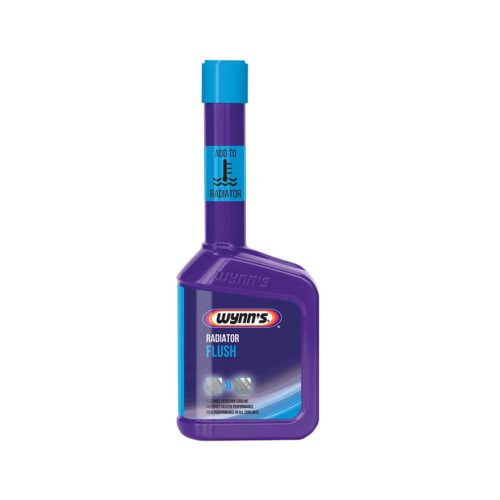
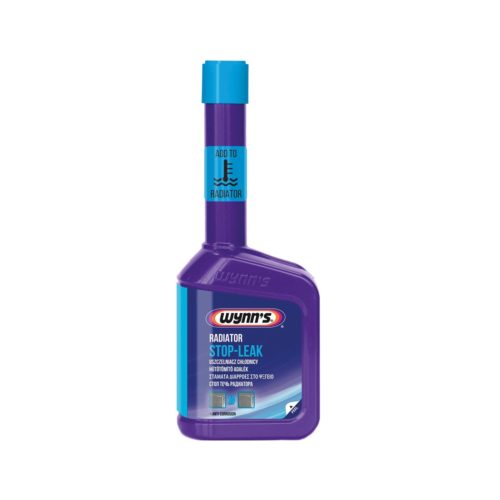
Pro tip: A gentle spray from a garden hose can easily wash away dirt and grime from the radiator's exterior—just be careful not to bend the fins. To make the cleaning even easier, here are some helpful products you might want to consider.

-
Watch That Temperature Gauge
That little needle on your dashboard is your best friend on hot days. It shows how hot your engine is running.
If the needle creeps into the red zone:
- Pull over safely
- Turn off the engine
- Open the hood (once it's cooled a bit) to help heat escape
- Let the engine rest before attempting to restart it
Ignoring a high reading can lead to serious damage, like a blown head gasket or warped engine parts. If overheating happens more than once, it's time to see a mechanic.
-
Check Your Thermostat and Water Pump
These are the "silent heroes" of your cooling system. You don't often think about them—until something goes wrong.
The thermostat opens and closes to control coolant flow. If it gets stuck, coolant can't circulate and the engine overheats.
The water pump keeps coolant moving through the system. If it fails, it's like having no circulation at all.
Signs of trouble:
- Temperature spikes for no reason
- Coolant leaks near the front of the engine
- Whining noises from the water pump
- Heater not working properly (yes, it's connected!)
Both parts usually last 60,000–100,000 miles—but if you're having overheating issues and everything else checks out, have these inspected.
-
Go Easy on the A/C in Heavy Traffic
There's nothing like cool air on your face during a sweltering day, but air conditioning puts extra stress on your engine—especially when you're idling or stuck in traffic.
What helps:
If you notice the temperature rising while idling, try turning off the A/C for a few minutes to ease the load.
Make sure the condenser (part of your A/C system) isn't blocked—it sits in front of the radiator and needs clean airflow.
On extra-hot days, consider using your car's "recirculate" mode to reduce how hard the system works.
A clean engine bay can help, too—less dirt means better heat dissipation.
-
Park Smart to Stay Cool
Where you park can make a surprising difference. Direct sun not only heats up your cabin but can raise the overall temperature of your engine before you even start it.
Simple parking strategies:
- Aim for shady spots or car parking garages whenever possible.
- Use a windscreen sunshade to reflect heat and protect your dashboard.
- Crack the windows slightly to let hot air escape while parked.
Reducing initial heat buildup can mean your cooling system doesn't have to work as hard right away.
-
Don't Ignore Warning Lights
Modern cars are pretty good at telling us when something's wrong. If your engine management light or temperature warning light comes on, take it seriously.
Quick checklist:
- Don't keep driving "just a little further" if the temperature warning comes on.
- Scan for trouble codes or head to your mechanic for a quick diagnostic.
- Pay attention to any unusual smells (sweet = coolant) or sounds (hissing, bubbling).
Catching issues early is always cheaper than replacing an overheated engine.
Final Thoughts: Summer-Proof Your Ride
Your car works hard every day—but in the summer, it works extra hard. A few minutes of maintenance and a watchful eye can make all the difference between a smooth ride and a steamy breakdown.
So before you hit the road for that beach trip or mountain escape, take a few moments to make sure your engine is ready for the heat. Your car, and your wallet, will thank you.
Leave A Comment