
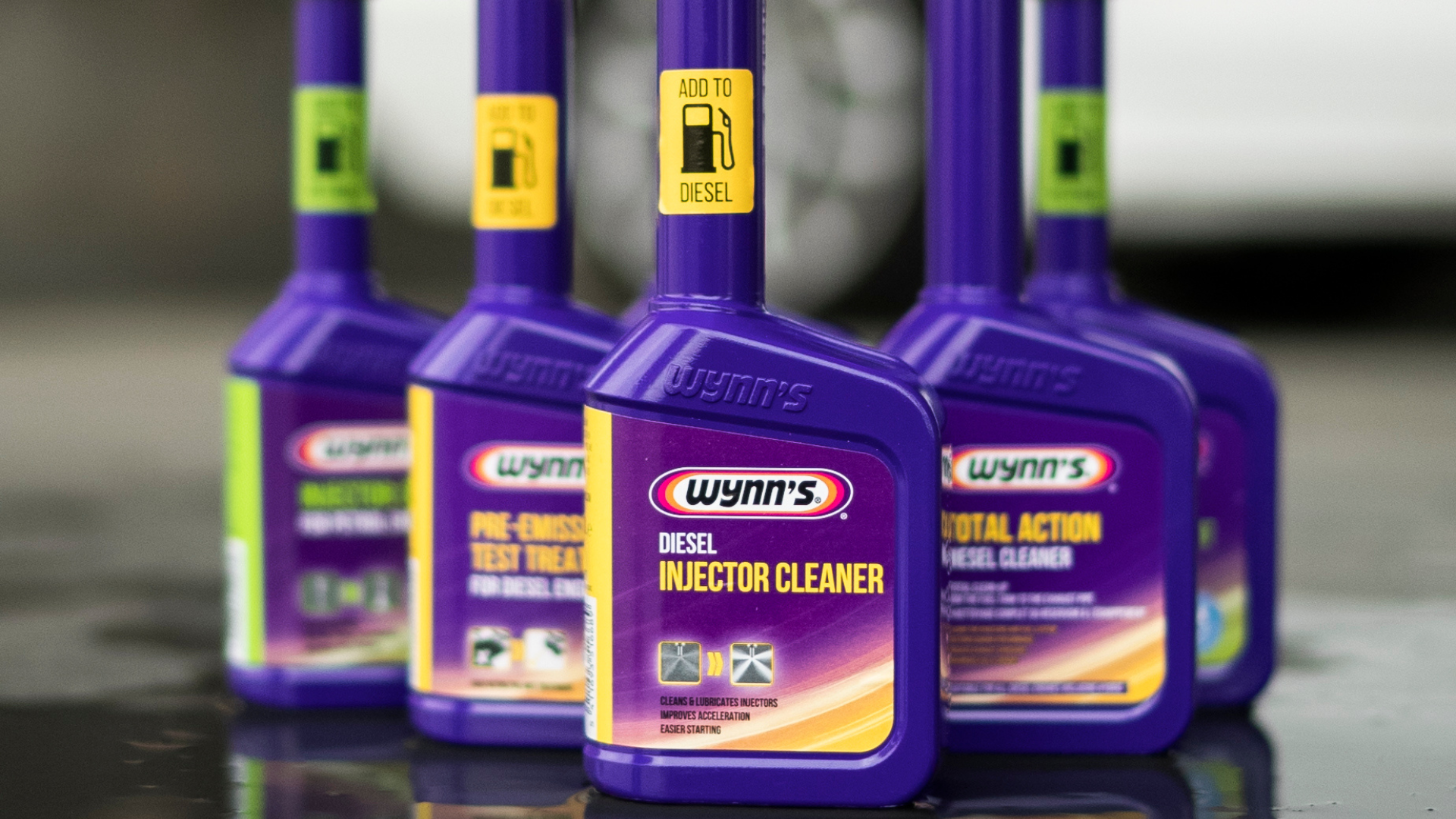
Car additives are increasingly common on the shelves at shops and are recommended by many maintenance professionals. Yet many drivers are still reluctant to use them.
What do these products actually contain? Are they reliable? Can they help preserve an engine over time? In this article, you'll find clear answers to help you understand what additives are for and how to use them simply and effectively.
What is an additive?
An additive is a small dose of concentrated product that is added to a fluid already present in the vehicle, such as fuel, engine oil, coolant or transmission fluid.
Its function is to enhance or optimise the natural properties of that fluid.
These products are designed to act in a targeted manner, whilst maintaining the balance of the fluid to which they are added. They are also effective in preventing problems and breakdowns by limiting natural contamination, gradual wear or loss of performance caused by internal deposits; an additive helps to reduce the risk of malfunctions and helps the engine stay in good condition for longer.
Why are additives used in modern vehicles?
Today's engines operate with a high degree of precision. They are more powerful, quieter, and more fuel-efficient, but this complexity also makes them more susceptible to contamination.
Direct injection, high-pressure turbochargers, strict emissions standards, particulate filters and catalytic converters all require a clean and stable mechanical environment.
Over time, even normal driving can generate small deposits that build up in the injection system, combustion chambers or oil passages.
Additives are specifically designed to limit these natural phenomena. They help maintain consistent combustion, keep the injection system clean, reduce friction between moving parts and protect metal surfaces from oxidation. They thus complement standard mechanical maintenance and contribute to the engine's longevity.
Are engine additives safe?
It's perfectly normal to ask this question, and the answer is yes: engine additives are safe when used correctly.
Manufacturers develop their formulas to ensure they are compatible not only with most engines, but also with catalytic converters, particulate filters, lambda sensors and all emission control systems.
At Wynn's, the practicality, effectiveness and ease of use of our products are our top priorities. Our R&D teams develop formulas designed to be compatible with the vast majority of engines, as well as with catalytic converters, particulate filters, lambda sensors and all emission control systems. Before each launch, every product undergoes a comprehensive series of tests at our factory in Belgium to ensure optimal compatibility and maximum effectiveness in real-world conditions.
These products meet strict standards and are designed to work without disrupting the chemistry of the fuel or oil.
The only real precaution is to follow the dosages indicated on the product and to use an additive suitable for the fuel being used: diesel or petrol.
What are the main types of additives and what are they used for?
Fuel additives
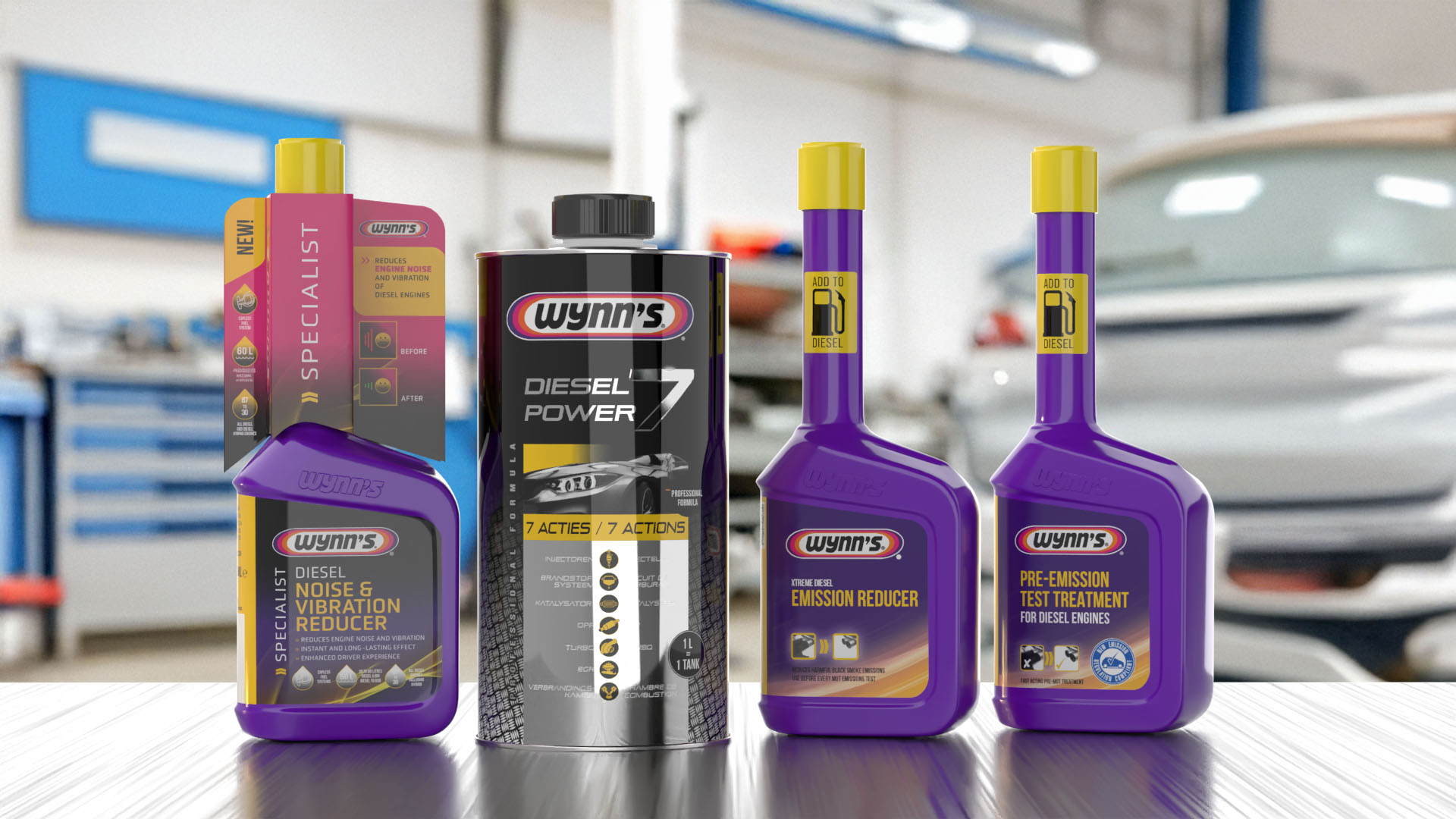
Fuel additives are probably the best known. They are formulated to clean and protect the fuel system, which is essential for the engine to run smoothly.
By helping to dissolve deposits on the injectors or valves, they help restore a finer spray and therefore more even combustion. This often results in a smoother-running engine, quicker starts and a more pleasant driving experience.
These products can also help prevent corrosion in the fuel tank or lines, particularly when the vehicle is driven infrequently and moisture can build up. Some additives even facilitate particulate filter regeneration in diesel and petrol engines, which is of particular interest to drivers who frequently make short journeys.
Using a fuel additive every 2 to 3 tank-ups can help keep your vehicle in top condition.
Engine oil additives
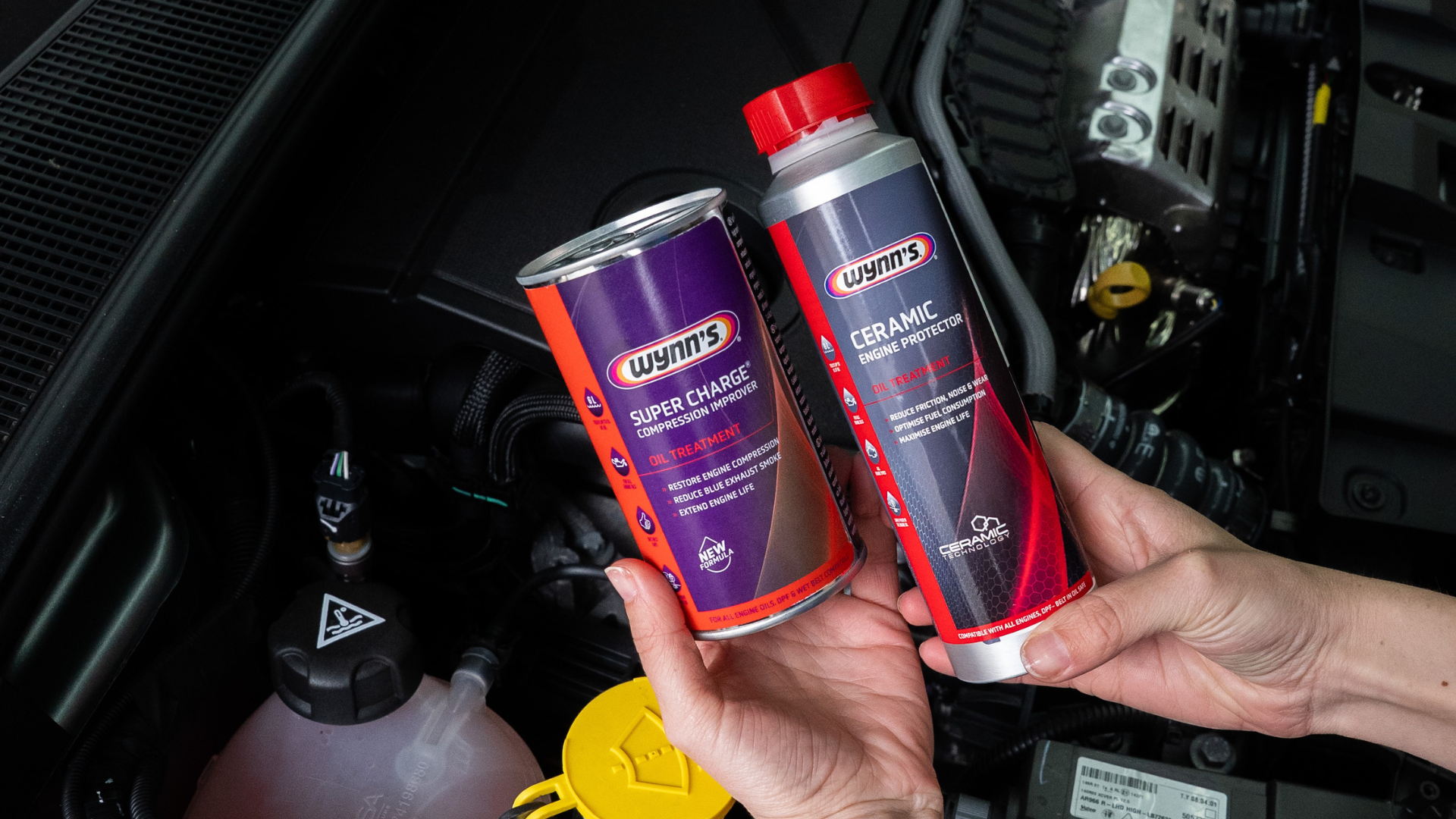
Engine oil already contains numerous additives incorporated by manufacturers, but supplementary products are available to meet specific needs. Some strengthen the protective film between moving parts, which helps to reduce wear, particularly in engines that have clocked up a high mileageEngine oil already contains numerous additives incorporated by manufacturers, but supplementary products are available to meet specific needs. Some strengthen the protective film between moving parts, which helps to reduce wear, particularly in engines that have clocked up a high mileage.Engine oil already contains numerous additives incorporated by manufacturers, but supplementary products are available to meet specific needs. Some strengthen the protective film between moving parts, which helps to reduce wear, particularly in engines that have clocked up a high mileage.
Others improve lubrication under difficult conditions or reduce certain friction-related noises.
There are also so-called ‘pre-change’ additives designed to clean the inside of the oil sump before the oil is changed. These products dissolve any residues and fine sludge that may have formed, ensuring a clean start when the oil is changed.
Technical additives
Additives for coolant, transmissions or power steering meet more specific requirements.
Some enhance the anti-corrosion protection of a coolant, whilst others improve the smoothness of a gearbox or reduce certain jerks in the steering.
Can engine additives replace standard maintenance?
The answer is simple: no.
Engine additives do not replace regular oil changes, filter replacements or a full mechanical service. However, they are the perfect complement to these procedures. An engine that is well maintained and regularly protected by suitable additives often remains cleaner internally, which makes future maintenance easier and reduces the risk of premature wear.
The use of an additive is part of a preventive approach.
Can additives be mixed?
As a general rule, it is not recommended to mix several additives in the same tank of fuel or fluid.
As far as Wynn’s is concerned, accidentally mixing two additives will not cause any damage to your vehicle, but there is really no point in doing so.
Best practice is to use one additive at a time, then wait for 2 to 3 full tanks before using another. There is no need to clean an engine that is already clean, so you can space out the use of additives without affecting your car’s performance.
How do I know if my vehicle is compatible with an additive?
Most modern additives are compatible with almost all types of engines, whether petrol, diesel, hybrid or vehicles fitted with a particulate filter.
To check compatibility, simply consult the product label or technical data sheet, which clearly state this information. The technical data sheet is available to download from our website via the product pages.
How do I choose the right additive?
To choose an additive with ease, you must first identify your objective. Cleaning the injection system? Protecting the engine?
If you need a fuel additive, you’ll need to check that the additive you choose is suitable for your vehicle’s engine type – i.e. petrol or diesel – and, if necessary, check compatibility with other components if your car has specific requirements to consider during servicing.
Finally, following the recommended dosage is a simple but fundamental rule. At Wynn’s, we make it a point of honour to ensure our additives are easy to use. In most cases, simply pour the entire bottle into the fuel tank, and you’re done!
I have a TDI, HDi vehicle… is this product compatible?
Yes, TDI, HDi, dCi engines, or any other modern injection technology, are precisely the types of engines for which additives are often recommended. Their high-pressure injection systems are highly susceptible to deposits, and a suitable additive can help maintain stable atomisation and smooth operation. You can find this information directly on the label or in the product data sheet available on our website.
What happens if I put a diesel additive in a petrol vehicle, or vice versa?
It is very important to choose an additive suitable for the type of fuel used, as putting an additive designed for petrol into a diesel engine – or vice versa – can cause problems.
In fact, additives are chemically formulated to complement the properties of the fuel, and adding a petrol additive to a diesel car will disrupt the lubricating properties of the diesel. The only way to restore the balance necessary for the vehicle to run properly is to flush the engine.
If you accidentally put a diesel additive in your petrol car, it’s not ideal, but you can top up the tank regularly to dilute the product as much as possible without it affecting your car.
⚠️Please make sure you read the label on the additive you intend to use carefully to ensure it is suitable for the type of fuel you use.
The product is designed for 15 litres of fuel: what happens if I have less than that?
If the tank contains less fuel than the recommended amount, the additive will simply be more concentrated. This does not pose a risk to the engine.
Can I use an additive to maintain my motorbike?
It is possible, but only fuel additives. You can use Wynn’s petrol additives for your motorbike, but you must take care to adjust the dose to suit your tank.
Our advice: use a third of the bottle for a full tank.
⚠️ Please note: oil additives are not compatible with motorbikes.
Conclusion
Car additives are neither miracle products nor risky solutions.
They are technical aids developed to support engine performance and complement routine maintenance. Used correctly, they help keep the engine clean, limit natural wear and tear on parts, maintain consistent performance and extend the lifespan of many mechanical components.
So, ready to give it a go?
Leave A Comment